
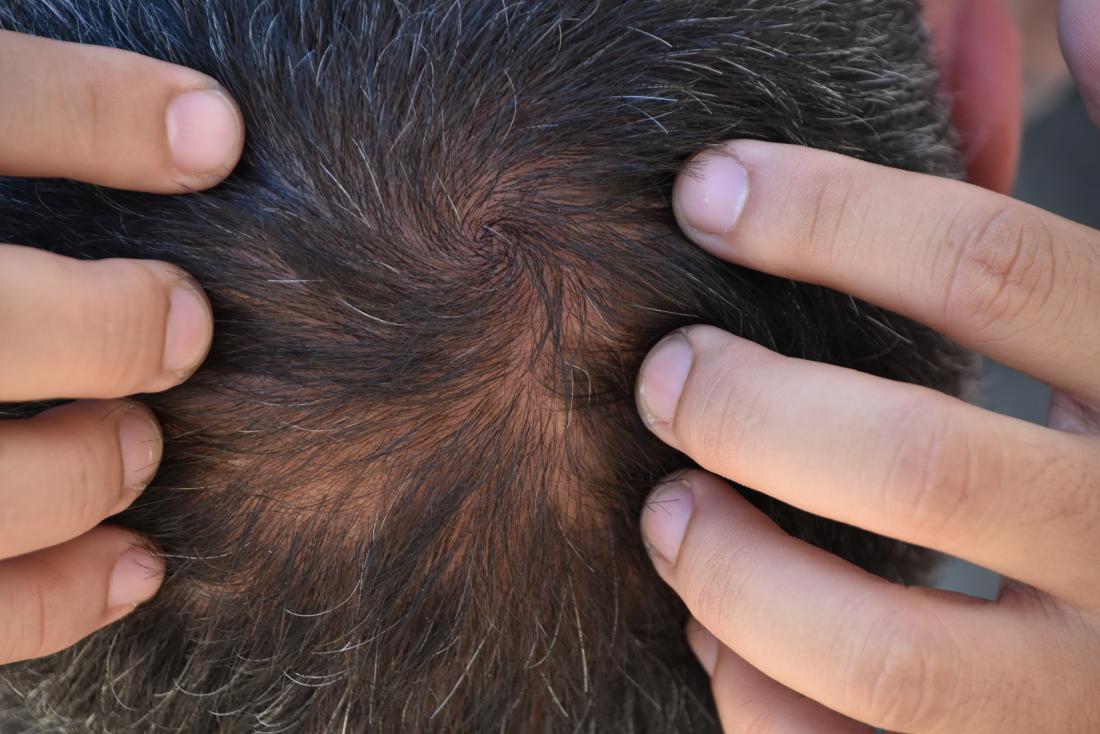
Eventually, the number of hair follicles in the telogen state increases while fewer hair follicles are growing hair. The effect is a progressive and overall thinning of the hair without much noticeable shedding. While the hair loss from telogen effluvium is diffuse (spread over the entire scalp), some people may notice more loss near the front of the scalp.
Medical tools and resources
Telogen effluvium is one of the most common causes of rapid hair loss. It’s also one of the most common causes of hair loss in women and people AFAB. However, your chances of developing chronic telogen effluvium without a detectable cause increase if you’re a woman or assigned female at birth (AFAB) and are between 30 and 60 years of age. Professional hair stylist Megan gives her advice on the best hairstyles to adopt if you are experiencing thinning hair.
When to see a doctor about hair loss

Middle-aged women with a long fluctuating course of telogen effluvium, producing widespread thinning lasting many years have normal hormonal studies. Although your hair will likely return to its usual growth pattern within six months, it may take from one year to 18 months before your hair returns to its previous appearance. If your hair loss is related to stress, reducing your stress levels may also help. You may wish to start journaling or mindful meditation to help manage your stress. Yoga and other forms of exercise may help clear your mind and offer a healthy way to cope with your stress. When diagnosing telogen effluvium, a doctor will examine the hairs that have fallen out.
Stay on top of latest health news from Harvard Medical School.
Use of this website and any information contained herein is governed by the Healthgrades User Agreement. Your doctor may ask you to collect your hair for 24 hours before your visit. Your hair will typically return to its normal state within one year. Some hair supplements contain saw palmetto, which should not be consumed by people who are pregnant or breastfeeding. Talk to your healthcare provider before starting any exercise routine. The easiest way to lookup drug information, identify pills, check interactions and set up your own personal medication records.
Paloma Faith reveals 'stress-related alopecia': Why does stress cause hair loss and what can you do about it? - BreakingNews.ie
Paloma Faith reveals 'stress-related alopecia': Why does stress cause hair loss and what can you do about it?.
Posted: Thu, 11 Apr 2024 07:00:00 GMT [source]
Soon, brushing my hair became another dreaded activity for the same reason. The root of the problem turned out to be telogen effluvium — but more on that later. Hair loss (alopecia) is categorized as scarring (with permanent destruction of hair follicles) or nonscarring. Baldness (androgenic alopecia) is the most common type of hair loss. Newer treatments that are also being explored include some forms of laser therapy, microneedling with PRP, as well as other oral medications. Many of these treatments are still in the early testing phases though, and more research will be necessary.
What Causes Telogen Effluvium?
Post-COVID hair loss can occur in both men and women: How to spot it and fix it, according to experts - Yahoo Life
Post-COVID hair loss can occur in both men and women: How to spot it and fix it, according to experts.
Posted: Fri, 08 Sep 2023 07:00:00 GMT [source]
The telogen phase of the hair cycle is just one part of a much larger process. You may not realize that the hair on your head, arms, face, and everywhere else on your body is constantly passing through one of four phases in a complex cycle. If your doctor thinks a hormone problem, vitamin deficiency, or infection caused your hair loss, a blood test can help confirm the cause. A scalp biopsy is rarely needed; it is expected to show normal terminal/vellus hair ratio, an increased number of telogen follicles, and little to no inflammation and fibrosis. After stopping chemotherapy, it can take up to six months before your hair resumes its normal rate of growth.
How does telogen effluvium affect my body?
The Food and Drug Administration (FDA) warns that biotin (found in some of these supplements) can interfere with lab tests, which may result in misdiagnosis of health conditions. If you are taking a supplement containing biotin, discuss it with a healthcare provider before any blood work. In PRP treatments, a person's blood is drawn and spun in a centrifuge to create a layer rich in platelets, which are blood cells active in clotting that contain growth factors. In most cases, your healthcare provider can diagnose telogen effluvium without any testing. They may recommend further testing, including blood tests or a scalp biopsy, if they suspect a condition or illness has caused telogen effluvium.
If the environment is stable, your hair can quickly return to normal. For professional advice, a person can contact a dermatologist or trichologist, who is a specialist in conditions related to the hair and scalp. This article looks at the causes, symptoms, diagnosis, and treatment of telogen effluvium, including dietary changes that may help. Telogen effluvium is a temporary condition of excessive hair shedding. It can be upsetting to see your hair become thinner, but it will very likely go away.
Healthy Eating
It can affect people of any age and may come and go unpredictably. “The condition is thought to be hereditary and while it doesn't usually cause baldness like in men, it can still affect self-esteem and confidence. If you're concerned about female pattern baldness, talk to your doctor who can advise you on possible treatment options. CCCA and LPP fall under the umbrella of lymphocytic scarring alopecia. The telltale signs of these conditions are chronic inflammation of the scalp and the scarring of hair follicles, which can result in irreversible hair loss, Agbai notes. If you notice hair loss while using any of these medicines, or if you are losing weight more rapidly than expected, contact your healthcare provider.
I learned to appreciate my quirks, the parts that characterize me, to enjoy my own company no matter how short or thin my hair. The state of our physical appearance — including our hair — changes many times throughout our life, but the core of our being stays the same. As my hair regains thickness, I'll still brush it back into an up-do more often than not. Telogen effluvium is usually self-limited and resolves within two to six months. Treatment involves eliminating the underlying cause and providing reassurance. Potentially causative medications should be discontinued, if possible.
It usually lasts around 6 months, except for cases of chronic telogen effluvium, which lasts longer. No specific treatment exists, but lifestyle and dietary changes can be effective in beginning hair regrowth. With telogen effluvium, it is common for hair to grow back within 3–6 months after managing the cause. Sometimes, the rate of shedding slows down but does not stop entirely.
A healthy, balanced diet with adequate amounts of protein, fruit, and vegetables may stop hair shedding and is vital to overall good health. Telogen effluvium has many causes, often connected to a physical change or trauma. The chronic form lasts longer and can affect a larger area of the scalp. It tends to begin suddenly in females between the ages of 30 and 60 who have thick hair. The hair may come out in handfuls when it begins, though it comes and goes and may become less severe over time.
For alopecia areata, injection of a corticosteroid medication into patchy areas of hair loss may promote hair regrowth. A class of oral medications called Janus kinase inhibitors may benefit individuals with severe alopecia areata. Anagen effluvium is similar to telogen effluvium, but it happens much more quickly and can cause you to lose all your hair. Anagen effluvium is common if you're having chemotherapy to treat cancer. These types of cytotoxic drugs control the growth of cancer cells, but they also stop other cells from growing – including in the hair follicles and hair shafts. Telogen effluvium may affect the hair all over your scalp, but it most commonly appears on the top of your head rather than the back or sides of your head.
Over-the-counter (OTC) medications generally consist of topical creams, gels, solutions, or foams that you apply directly to the scalp. The most common products contain an ingredient called minoxidil. It’s important to keep in mind that hair growth is a complex process and multiple tests may be needed to understand what is causing your hair loss. A biopsy may also be taken if it is initially very unclear what the root causes may be. Telogen effluvium is a type of sudden hair loss that results from emotional or physical shock, like a traumatic event, period of extreme stress, or a serious illness. The major sign of course is the shedding of an abnormal amount of hair.


No comments:
Post a Comment